
What is a Nicotine Rush?
10th Jan 2024
Vaping products are for adult smokers and existing vapers only. Vaping is not risk-free. Not suitable for non-smokers or anyone under 18.
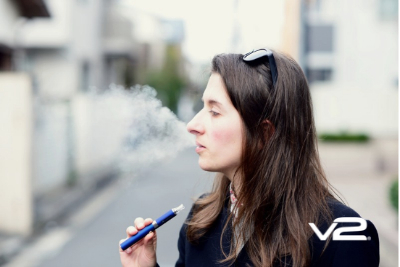 The brain is a vital organ that acts as the key cog of the central nervous system. It plays a significant role in how we feel and activates our reward system, which is released by dopamine. There are a variety of stimuli, including chemicals such as nicotine, that can trigger this response.
Nicotine, a chemical which derives from the tobacco plant acts as a trigger, but does it give you a rush or a 'buzz' of energy or a shot of adrenaline?
How long nicotine takes to reach our system, the length of time the ‘buzz’ feeling stays and the strength of nicotine all play a part in this triggered stimulation. Let’s conclude once and for all the answer to this important question with our definitive guide.
Nicotine Can Create a Rush – But Not for Everyone
What nicotine does is speed up the amount of brain chemicals released, which are called neurotransmitters.
These chemicals help to regulate your behaviour and even how you feel, impacting your mood. This surge of increased chemicals is also the cause of enhanced adrenaline, increasing heart rate an§d blood pressure to create that ‘buzz’ feeling, known as a nicotine rush.
The effect of nicotine is almost instant, reaching the brain within roughly 30 seconds. It typically lasts anywhere between 30 seconds up to 30 minutes, depending on the individual and tolerance level plus the frequency and nicotine strength they vape.
But do all humans feel the same way when they vape or smoke nicotine?
The answer is no. It keeps you interested in the product, due to the addictive nature of nicotine, but not all people have the same tolerance level or desired initial effect.
How Do People Build an Intolerance to Nicotine?
Losing a buzz from nicotine can happen just as suddenly as becoming addicted. This occurs over time, like with most habits. Somebody addicted to caffeine in coffee may have withdrawal symptoms or side effects such as headaches when they opt for a decaffeinated coffee.
The body and mind familiarise themselves with the stimulant and slowly the brain does not recognise the receptors as frequently or as effectively, causing a ‘desensitisation, as explained further in this medical review.
Once your body gets used to nicotine, eventually it builds an intolerance so the initial effects felt more by someone new to nicotine will wear off, with the reward via the dopamine effect reducing.
Unfortunately, this leads to the addiction to smoking which makes it very difficult to stop. As you become addicted to smoking which causes nicotine, you keep rewarding yourself without actually feeling any significant positive effect.
And that’s exactly why vaping was created, so you have more of a say in how much you vape. Plus, many vapers choose to lower their nicotine strength over time.
What Can Happen When You Lose the Rush?
Because you’re losing that adrenaline kick often found in nicotine, a person who previously relied on an addictive habit will seek a replacement.
The feeling that’s often found when the nicotine buzz goes can range from frustration to irritability and mood swings. It can overwork the mind, by increasing anxiety, creating thoughts of cravings for things like food or even feelings of depression.
Plus, it may impact your levels of fatigue and awareness, which is what some feel when they don’t have coffee.
To combat this, fear not, as there are other methods to switch your focus. Some people also find it helps to keep busy or change their routine when the buzz fades.
Many vapers find it better not to increase their nicotine strength. Therefore, it’s better to start at the same equivalent as you smoked, and only drop when you’re ready.
What Nicotine Strengths Are There When Vaping?
A benefit of switching to vaping as we stated before is the variety of nicotine strengths on offer. They are available at a maximum of 20mg with smoother-containing nic salts and are often used in pod kits. However, they’re typically suited to heavier smokers who want a similar nicotine hit to cigarettes.
With those who are classed as social smokers, you can pick between strengths of 12mg and 18mg depending on previous cigarette use.
For something less in strength, there are also options of 6mg and 3mg. Going up in strength may cause an initial stronger buzz, but in the long run can make it harder to cut back later.
To get the vape buzz back, while keeping to the same strength, try:
- Taking longer pauses between vaping
- Avoid chain vaping
- Focus your attention on another task, such as cleaning your vape kit more often where required or adjusting the wattage slightly
- Adjust the vaping style from mouth-to-lung to restrictive direct lung or direct lung, reducing the nicotine level where possible, slowly reducing the throat hit
Final Thoughts
The buzz from nicotine is very momentary and quick. It does not last for a very long time but is very difficult to quit. While it’s understandable you want to chase that buzz feeling, inevitably you will be left only with the sensation of vaping and carrying on that hand-to-mouth action, with some e-liquid flavour.
To manage it as best as you can, many vapers choose to lower their nicotine strength gradually, and some move to zero nicotine, vaping for familiarity and habit for as long as they choose. There are plenty of zero nicotine e-liquids available in a variety of flavours. These will contain natural flavourings and VG or PG at the base, which act as the chemicals needed to create a vapour sensation similar to smoking.
Vaping products are for adult smokers and existing vapers only. Vaping is not risk-free. Not suitable for non-smokers or anyone under 18.