
Vape Coils Explained: Types, Ohms and How Long They Last
26th Sep 2024
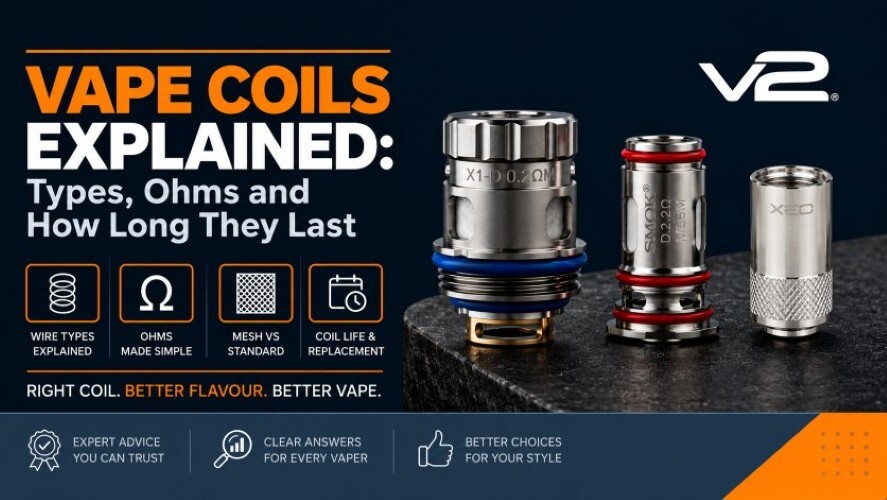
Vape coils are the small heating elements inside a pod, tank or cartridge that turn e-liquid into vapour. Each coil is a length of metal wire or mesh with a cotton wick running through it: the battery heats the metal, the wick keeps it fed with e-liquid, and the result is the vapour you inhale. Picking the wrong coil is one of the most common reasons a device tastes bad or feels wrong.
This guide covers the main types of vape coil, what ohms mean for mouth-to-lung (MTL) and direct-to-lung (DTL) vaping, how long a coil should last, and how to tell when it needs changing.
By Joe Delaney; Director and Content Writer, V2 Cigs UK.
Originally Published: 26th September 2024.
Last updated: 6th October 2026.
Vaping products are for adult smokers and existing vapers only. Vaping is not risk-free. Not suitable for non-smokers or anyone under 18.
What Is a Vape Coil?
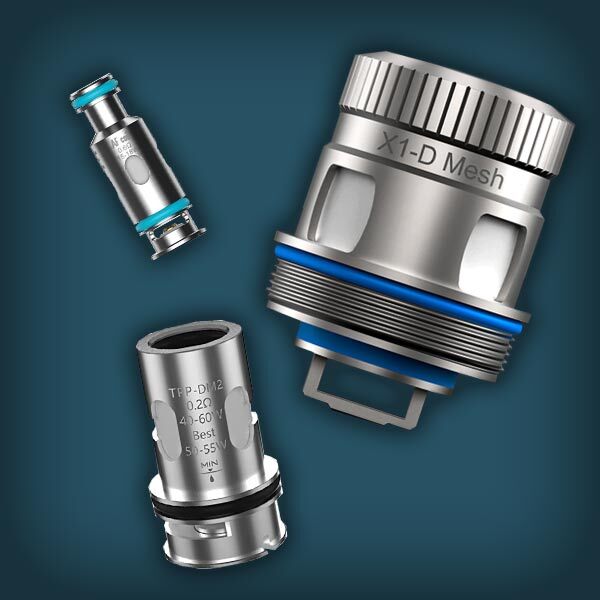 Sat inside your pod or tank, the coil is the bridge between your battery and your e-liquid. Current from the battery heats the coil, which in turn heats the e-liquid soaked into the wicking material wrapped around it, usually cotton, and turns it into vapour.
Get the wrong coil for your device or vaping style and you'll notice quickly: bad flavour, overheating, or that unmistakable burnt taste that's hard to vape past.
What Is the Coil Wire Actually Made Of?
When people talk about the different types of vape coils, they usually mean one of three things: the wire the coil is made from, its structure (standard wire or mesh) and its resistance in ohms.
The wire matters more than most new vapers realise, since different materials heat up differently, hold their shape differently and suit different vaping modes. Four types cover almost everything on the market, with pure nickel (Ni200) used only for temperature control.
Kanthal is the most widely available and the cheapest to work with, which is why it's the default starting point on most pre-built coils. It's slower to heat up than the alternatives, but reliable and easy to find.
Stainless steel heats up quickly and holds its shape well, which makes it popular with anyone who rebuilds their own coils. It's also compatible with both wattage and temperature control modes, which none of the other three manage. One thing worth knowing: stainless steel contains a small amount of nickel, and the NHS notes nickel can trigger contact dermatitis in people with an existing sensitivity, so it's worth being aware of if you already know you react to nickel elsewhere.
Titanium is the least commonly used of the four. It's mainly used by experienced vapers in temperature control mode rather than wattage mode, which is why most vapers stick to Kanthal or stainless steel instead.
Nichrome, an alloy of nickel and chromium, heats up fast and holds its shape well, but it's harder to find than the other three and carries the same nickel consideration as stainless steel.
If flavour is your main priority, stainless steel and nichrome are generally rated above Kanthal, though Kanthal remains the most popular choice for price and durability. There's no single right answer here: it's a trade-off between cost, speed and how the coil behaves in your specific device.
Separately from the wire material, coils also come in two structures. Traditional coils wrap the wire around the wick; mesh coils use a flat, perforated sheet instead, which increases the surface area in contact with your e-liquid and generally means better flavour and bigger clouds for sub-ohm DTL vaping. Standard wire coils still suit MTL vaping perfectly well, so the mesh-versus-standard question mostly only matters once you're vaping sub-ohm.
Gauge, Resistance and Ramp Time
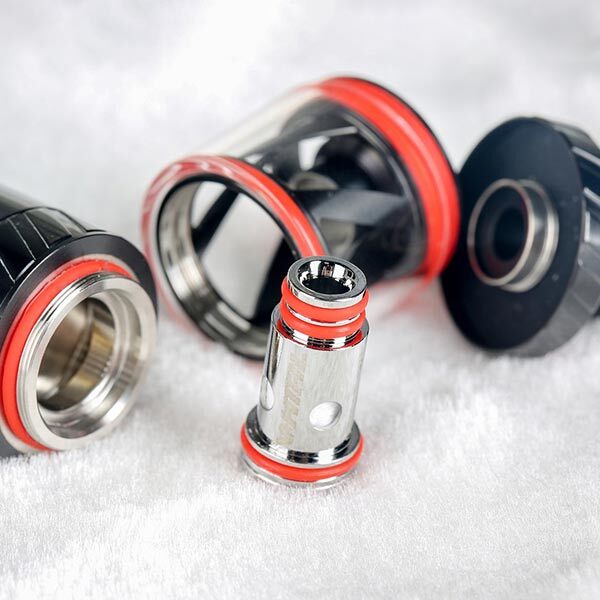
Three terms come up constantly once you start comparing coils, and they're worth understanding properly rather than just recognising.
Gauge is the wire's thickness. A higher gauge number means a thinner wire; typical vape coil wire runs between 22 and 32 gauge. Thinner wire has more electrical resistance and heats up faster than thicker wire of the same material.
Resistance, measured in ohms, is what actually determines whether a coil suits mouth-to-lung (MTL) or direct-to-lung (DTL) vaping. Coil resistance ranges from as low as 0.1 ohms up to around 2.5 ohms. Anything below 1.0 ohm is generally considered sub-ohm.
Ramp time is how quickly the coil reaches the temperature needed to vaporise your e-liquid. Thinner wire and lower mass mean a faster ramp; thicker, higher-mass coils take longer to get going.
Wattage and temperature control (TC) modes aren't compatible with every wire type. Kanthal and nichrome run on a static current and only work properly in wattage mode; push them too hard in TC mode and you risk burning out the coil. Nickel and titanium wires work in TC mode but not wattage mode. Stainless steel is the only one of the four that works properly in both, which is why it's often the safe default if you're not sure which mode you'll use most.
Choosing Your Coil Resistance for Your Vaping Style
Your preferred draw should drive this decision more than anything else.
If you want something closer to the pull of a cigarette, MTL suits a higher-resistance coil, generally 0.6 ohms and up, and gives a more restricted draw with a stronger throat hit and more discreet vapour production.
If you're after bigger clouds and want to maximise flavour, DTL works best with a lower-resistance sub-ohm coil, roughly 0.1 to 0.6 ohms. The trade-off is a much airier draw that feels nothing like smoking.
Restrictive direct-to-lung (RDL) sits between the two: a stronger throat hit than DTL with more of the flavour and cloud you'd get from a lower-resistance coil, without the fully open airflow of a proper sub-ohm setup. It's a natural next step if you've outgrown MTL but don't want to jump straight to DTL.
If you've just switched from smoking, an MTL coil in a pod kit or vape pen is the easiest place to start. The terminology around ohms and voltage can feel like a lot at first, but matching your coil to your inhale style is really the only decision that matters early on.
Advantages by Resistance Type
High resistance (MTL):
- Uses less battery, so less frequent charging
- Stronger throat hit
- Uses less e-liquid
Sub-ohm (DTL):
- Better flavour and bigger clouds
- Heats e-liquid faster
- Suited to direct-to-lung inhaling
Sub-ohm restrictive (RDL):
- MTL-style throat hit with DTL-style flavour
- Less intense airflow than a full sub-ohm DTL setup
- A smoother step up from MTL than jumping straight to DTL
How Long Does a Vape Coil Actually Last?
Most coils last somewhere between one and four weeks of regular use, and where you land in that range depends heavily on your setup. A DTL vaper running high-VG e-liquid at higher wattage will usually be on the shorter end, since thicker e-liquid vaped at higher temperatures wears a coil down faster. An MTL vaper using thinner e-liquid at lower power will typically get closer to the month mark.
You'll know a coil needs replacing before you check a calendar: flavour starts to fade, or the burnt taste creeps back in even with fresh e-liquid. Keeping a couple of spares on hand means you're never caught out.
Single, Dual and Quad Coils
Some tanks and pods use more than one coil at once. A single coil uses less battery, is simpler to manage, and gives an experience closer to smoking if you've recently switched, which is why it's the standard in most MTL pod kits. Dual and quad coil setups use more wire and a thicker wick, which boosts flavour and cloud production at the cost of faster e-liquid consumption and shorter coil life. Neither is objectively better; it depends on whether you're prioritising simplicity or output.
If you're not sure which coil fits your device, our coils range is filtered by compatibility, or you can get in touch with the team directly for a recommendation.
Frequently Asked Questions
How do I prime a new vape coil?
Add one or two drops of e-liquid directly onto the visible wicking material, then let it soak for around ten minutes before fitting the coil and vaping. This saturates the wick fully and avoids a dry hit on first use. Our full guide on How to Prime a Coil will take you through step-by-step.
How do I clean a vape coil?
Soak the coil in a small bowl of vodka or white vinegar for a couple of hours, then rinse thoroughly with cold water and dry completely with a paper towel before refitting. Our full guide to cleaning your tank and coils covers the whole process in more depth.
Why does my vape still taste burnt with a brand new coil?
Usually one of three things: the wattage is set higher than the coil is rated for, e-liquid has leaked somewhere it shouldn't and is burning, or the coil wasn't primed properly before first use. Check the recommended wattage printed on the coil first, since that's the most common cause.
What's the difference between a 0.6 and 0.8 ohm coil?
A 0.6 ohm coil has lower resistance, so it runs at a higher wattage and gives warmer, denser vapour, usually with a slightly looser draw. A 0.8 ohm coil runs at lower power, gives a tighter draw closer to mouth-to-lung and uses less e-liquid. Many pod kits come with both, so you can try each. Always stay within the wattage range printed on the coil.
What are ohms in vaping?
Ohms measure a coil's electrical resistance. Lower-resistance coils, below 1.0 ohm (known as sub-ohm), draw more power and suit direct-to-lung vaping with bigger clouds. Higher-resistance coils suit mouth-to-lung vaping, which feels closer to smoking a cigarette and uses less e-liquid and battery.
We have compiled a hub with the most Common Vaping Questions that our customers have asked, which is a useful source of information relating to vaping.
About the Author

Joe Delaney looks after the day-to-day running of V2 Cigs UK and writes its blogs.
When the blog recommends a device, he has used it - and for a leak test that means actually filling kits and trying to make them fail, pocket-carrying them and leaving them upside down overnight, rather than repeating manufacturer claims.
Health, safety and regulatory points are checked against named UK authorities such as the NHS and MHRA, and a product is only ever called "less harmful than smoking" where a UK authority says so. More about how he works, and the family story behind V2, is on Joe's author profile.
Useful Guides Related to This Topic
- Why Does my Vape Taste Burnt?
- What is a Mesh Coil?
- How to Clean your Vape Tanks and Coils
- Common Vaping Questions - The FAQ Hub
- How to Prime Your Coils
- Why Is My Vape Bubbling, Popping, Spitting or Gurgling?
Sources
Vaping products are for adult smokers and existing vapers only. Vaping is not risk-free. Not suitable for non-smokers or anyone under 18.
Last updated: 6th October 2026.