
How to Clean a Vape Tank and Coil: Step-by-Step Guide
9th Nov 2022
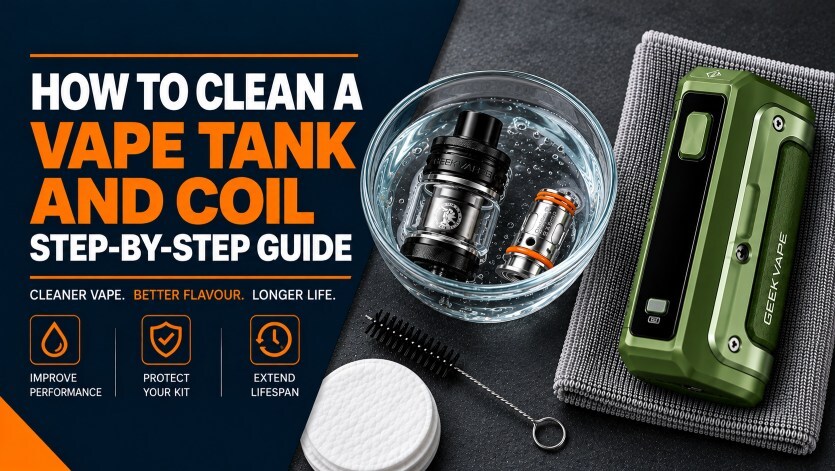
A dirty tank or coil is one of the most common reasons a vape starts tasting off, and it's also one of the easiest problems to fix. This guide covers general cleaning principles for typical tank and coil systems, plus specific care guidance for our own V2 and Vsavi devices.
A word of caution first. Cleaning that involves any liquid, however small the amount, carries a real risk when it's anywhere near a device's electronics. The advice below covers widely-used, general principles for tank and coil systems as a category, not specific instructions for any one manufacturer's device.
If you're using a device from another manufacturer, always follow their own instructions first rather than ours. For our own V2 and Vsavi devices, see the dedicated section below, which reflects exactly what our Customer Service team advises customers directly.
By Joe Delaney; Director and Content Writer, V2 Cigs UK.
Originally Published: 9th November 2022.
Last updated: 13th October 2026.
Vaping products are for adult smokers and existing vapers only. Vaping is not risk-free. Not suitable for non-smokers or anyone under 18.
How to Clean a Vape Tank and Coil: Quick Steps
These steps suit most refillable tanks and pods. Check your device maker's own instructions first, and never get the main body of the device wet.
- Empty and take apart the tank. Pour out any leftover e-liquid, remove the tank from the device and take out the coil.
- Wash the tank in warm water. Add a drop of mild washing-up liquid for stubborn residue, and use a soft toothbrush or cotton bud for tight gaps.
- Rinse the coil under a hot tap. Blow gently through it so the water passes through the wicking holes.
- Soak the removed coil for a deeper clean. Leave it in vodka or white vinegar for a couple of hours, then rinse it well. If the wick still looks dark and burnt afterwards, replace the coil instead.
- Dry everything fully. Pat the parts dry with a paper towel, then leave them to air dry for 24 hours before you put the tank back together.
- Refill and wait. Fill the tank and give it about five minutes before vaping, so the wick can soak up the e-liquid.
Using a V2 or Vsavi device? Most of our range uses sealed, replaceable parts, so follow the care guidance in the next section instead.
Caring for Your V2 and Vsavi Devices
Our own device range is largely built around consumable, sealed components rather than the kind of open tank-and-coil systems covered later in this guide, so the advice here is narrower and more specific.
Slim Legacy: the only maintenance needed is cleaning the battery thread if vaping residue builds up. Use an old, dry toothbrush with a small amount of white spirit, and take care that the device itself never actually gets wet.
EX Blank: this is a consumable part, not something to clean. Simply replace it when it's used up.
PRO Series: the cartridge and wick are consumable too, so replace rather than clean. If the battery button starts sticking, the same battery-thread treatment as the Legacy applies: a dry toothbrush and a spot of white spirit, keeping the device dry throughout.
XEO Void: the mouthpiece is removable, and a twisted piece of tissue worked gently down through it is usually enough to keep it clear.
If you're not sure how to care for a specific V2 or Vsavi device not covered here, get in touch with our Customer Service team directly rather than guessing.
What About Tank and Coil Systems Generally?
Many refillable tank and pod systems, including third-party devices we stock, are designed to be partially disassembled and cleaned by the user. The principles below are widely used across that category of device, but they're general guidance, not a substitute for your specific device's own instructions. If in doubt, check what the manufacturer says before cleaning anything with liquid.
How Are Vape Tanks and Pods Usually Cleaned?
Most tank systems benefit from cleaning at least once a week, or every time you refill if you can. Residue builds up after every hit, and leaving it there means your next flavour ends up mixed with whatever was in the tank before.
The general approach: empty any remaining e-liquid, then detach the tank and disassemble it, keeping track of how the parts fit together. Wash the components in a bowl of warm water, adding a drop of mild washing-up liquid if there's stubborn residue, and use a soft toothbrush or cotton bud for tight gaps. Dry everything with a paper towel, then let the parts air dry for a full 24 hours before reassembling. Having a spare coil and tank on hand means you're not without a vape while everything dries out properly.
For a deeper clean every so often, some vapers wipe the components with a paper towel or cloth dampened with a high-proof, unflavoured alcohol such as vodka or rubbing alcohol, rather than submerging them, then rinse with warm water and air dry as normal.
Pods are typically cleaned the same way but without soap, since most pods aren't designed to come fully apart and soap residue is hard to rinse out completely. If your pod has a non-removable coil, cleaning it won't restore the original flavour once that coil has worn out; that's a feature of the design, not something you're doing wrong, and it's worth choosing a pod system with replaceable coils if that bothers you.
How Are Vape Coils Usually Cleaned?
One common method: hold the coil under a hot running tap for a minute or two to shift the worst of the residue, blowing gently into the open end so water passes through the wicking holes. Then submerge it fully in a bowl of vodka or white vinegar, cover to stop it evaporating, and leave it to soak for a couple of hours, or overnight if you can. Rinse thoroughly under the hot tap again, followed by a rinse in distilled water if you have it, then dry with a paper towel and leave it to air dry completely before refitting.
Set your expectations realistically. Cleaning a coil won't undo a burnt wick, and it works best on a coil that's only mildly clogged rather than one that's actually reached the end of its life. A quick way to check: run the coil under the tap and see if the discolouration lifts. If it does, a proper clean is worth doing. If the wick still looks dark and burnt afterwards, it's time to replace it rather than keep cleaning it.
Cleaning the Body of Your Device
The tank and coils get most of the attention, but the device body needs occasional care too, and the rules here are different because liquid and electronics don't mix.
Wipe the outer casing with a soft, dry cloth to remove fingerprints and general grime. Clean the charging port with a toothpick rather than anything metal, since metal tools can scratch the port's gold plating. Use a dry cotton swab on the threading where the tank screws in, particularly if you've had a leak.
Never use alcohol, water or any other liquid on the main body of your device. No vape is completely sealed, and any liquid that gets inside risks a short circuit. This applies whether you have a simple cigalike, a pod system, a vape pen or a full mod; only the detachable tank or pod should ever get wet.
Electrical Safety First, the UK charity focused on reducing electrical injuries and deaths, lists liquid damage and short circuits among the recognised causes of lithium-ion battery failure.
Common Mistakes That Damage Your Tank
A handful of everyday habits account for most of the avoidable damage and bad flavour vapers run into.
Vaping straight after refilling. Give a freshly filled tank around five minutes before you vape. The wick needs time to soak up the e-liquid, and vaping too soon means drawing on a dry wick, which tastes burnt almost immediately.
Letting the tank run completely dry. An empty tank produces the same dry, burnt hit as an unprimed one. Keep an eye on your e-liquid level rather than vaping until it runs out.
Using the wrong wattage for your coil. Every coil has a resistance rating, and pushing too much wattage through it will burn it out fast, regardless of how well you've cleaned it. Check the wattage printed on the coil and stay within range.
Forcing parts that don't fit. If a tank won't screw onto a battery or a coil won't seat properly, stop and check what's wrong rather than forcing it. Cross-threading a connection is a common way to damage both parts at once.
Holding the fire button too long. Long, held-down draws can cause condensation to build up in the drip tip and tank, which cuts down vapour production and adds an unwanted rattle or crackle.
Leaving your device switched on in a pocket or bag. Batteries generate heat, and an accidentally-firing device left in a confined space isn't just a battery drain, it's a genuine safety risk. Get into the habit of checking your device is off before you put it away.
Protecting Your Tank From Physical Damage
Glass tank sections are the most common casualty of an ordinary accident, whether that's a knock on a kitchen counter or a drop on a night out. A soft or hard carrying case is the simplest way to avoid this, keeping your device away from keys, coins and anything else that can chip or crack it. Wrapping a rubber band or two around the tank itself adds a bit of shock absorption if it does take a knock. If you vape regularly enough to worry about being caught out, keeping a second tank in your case is cheap insurance against a single bad drop putting you out of action.
Looking After Your Battery
Good battery habits make a real difference to how long your device lasts day to day, and to the overall lifespan of the battery itself. Electrical Safety First, the UK's leading charity on electrical safety, names overcharging and using the wrong charger among the main causes of lithium-ion battery failure, which is exactly what the habits below are aimed at avoiding.
- Use your battery regularly. Lithium-ion batteries are designed for frequent use and perform better with it, not worse.
- Avoid running the battery all the way down to empty before recharging. Deep discharges put more strain on the battery and can shorten its lifespan over time.
- Don't store a battery empty. Keep it with some charge in it if it's going to sit unused for a while.
- Keep batteries somewhere cool and dry, out of direct sunlight, and away from water or damp.
- Unscrew or disconnect the tank from the battery when you're not using the device for an extended period. Even sitting connected causes a small, constant drain.
- Unplug a battery as soon as it's finished charging rather than leaving it on the charger. The one exception is a brand new battery's first charge, where leaving it on for an extra hour or two is generally recommended.
When Should You Replace Coils, Tanks and Batteries?
Coils are consumable and will need replacing regularly regardless of how well you clean them; most last somewhere between a few days and a few weeks, depending on how much you vape and your setup, covered in full in our guide to choosing and understanding vape coils. Tanks and pods last considerably longer with proper care, but glass sections, O-rings and seals do eventually wear out or crack, so it's worth checking these over each time you do a deep clean. Batteries typically last two to three years of regular use before their capacity noticeably drops, even with good charging habits, at which point a replacement is the only real fix.
Frequently Asked Questions
Is it safe to clean any vape with water or alcohol?
Not always, and it depends entirely on the device. Our own V2 and Vsavi devices are designed around consumable parts rather than open cleaning, and the specific guidance above reflects that. For any device, always check the manufacturer's own instructions before using liquid anywhere near it, since fluids and electronics are a genuine risk if handled incorrectly.
How often should I clean my vape tank?
At least once a week, or every time you refill if you're using different flavours regularly. More frequent cleaning means less residue mixing and better flavour overall.
Can you clean a vape tank with water?
Usually, yes, if it’s a detachable tank designed to come apart. Warm water, with a drop of mild washing-up liquid for stubborn residue, is the usual method. Take the tank off the device first, rinse out any soap, and let every part air dry for 24 hours before you put it back together. Check the manufacturer’s instructions first, and never run water over the main body of the device. Our own V2 and Vsavi devices use replaceable parts instead, so follow the care guidance above for those.
Can I use alcohol to clean the outside of my device?
No. Alcohol and any other liquid should stay away from the main body of your device entirely, since it isn't sealed against liquid ingress and risks a short circuit. Only the detachable tank, pod or coils should be cleaned with liquid.
Why does my tank keep leaking after cleaning?
Leaking after a clean usually points to a damaged or misaligned O-ring rather than a cleaning issue. Check the seals for cracks or stretching when you reassemble the tank, and replace them if they look worn.
Is it normal for a new coil to taste different from the last one?
Yes, slightly. Even coils of the same resistance can vary a little between batches. If the difference is more than subtle, or tastes burnt, check that the coil was primed properly before use.
Useful Guides Related to This Topic
- Why Does My Vape Taste Burnt? 8 Causes and Quick Fixes
- How to Prime Your Coils
- Vape Coils Explained: Types, Ohms and How Long They Last
- Why Is My Vape Bubbling, Popping, Spitting or Gurgling?
- Vaper's Tongue and Vaper's Cough: What They Are and How to Fix Them
- 18650 vs 21700: Which Is the Best Vape Battery for You?
- Common Vaping Questions: The FAQ Hub
About the Author
 Joe Delaney looks after the day to day running of V2 Cigs UK and writes its blogs.
When the blog recommends a device, he has used it - and for a leak test that means actually filling kits and trying to make them fail, pocket-carrying them and leaving them upside down overnight, rather than repeating manufacturer claims.
Health, safety and regulatory points are checked against named UK authorities such as the NHS and MHRA, and a product is only ever called "less harmful than smoking" where a UK authority says so. More about how he works, and the family story behind V2, is on Joe's author profile.
Sources
- Questions and answers sourced from the V2 UK customer service and logistics teams
- Cleaning the Body of your Device - Electrical Safety First
- Looking after your Battery - Electrical Safety First
Vaping products are for adult smokers and existing vapers only. Vaping is not risk-free. Not suitable for non-smokers or anyone under 18.
Last updated: 13th October 2026.